

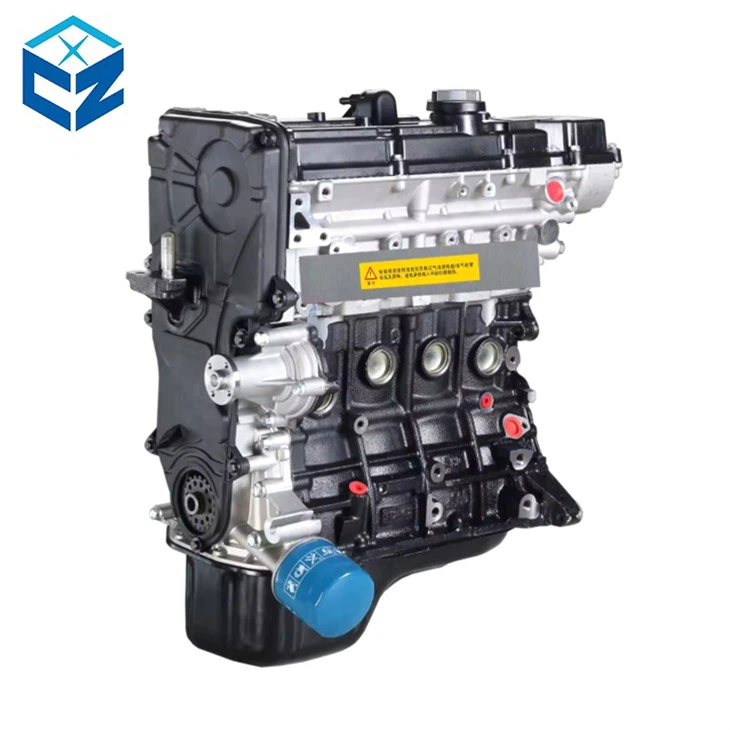
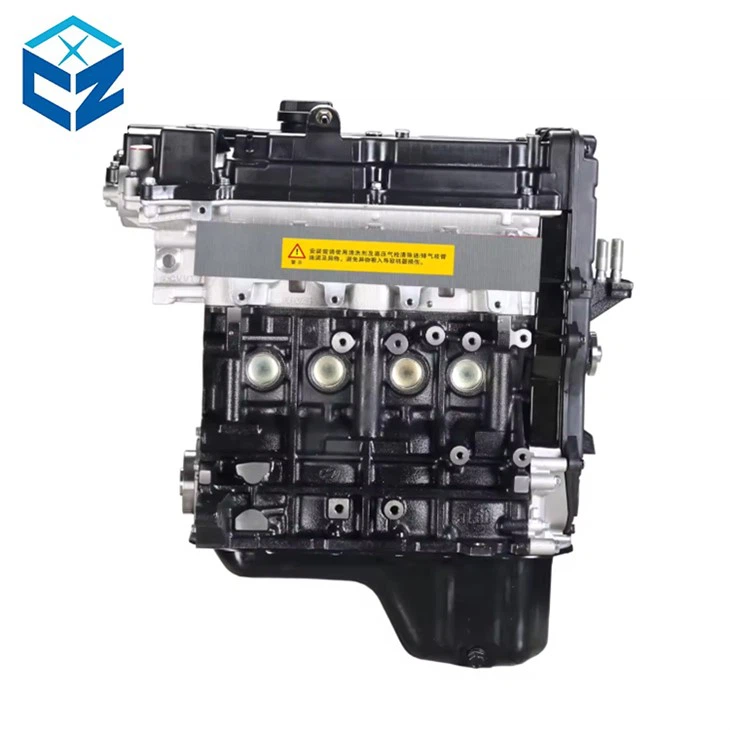
As a supplier of the Hyundai G4FG Powertrain, I've witnessed firsthand the intricate workings and technological marvels of this engine. One of the key components that plays a crucial role in its performance and longevity is the Positive Crankcase Ventilation (PCV) system. In this blog, I'll delve into what the PCV system is, how it functions in the Hyundai G4FG Powertrain, and why it's so important.
Understanding the Basics of the PCV System
The PCV system is an essential part of modern internal combustion engines, including the Hyundai G4FG Powertrain. Its primary function is to control the emissions of harmful gases from the engine's crankcase. The crankcase is the lower part of the engine block that houses the crankshaft, connecting rods, and pistons. During the combustion process, some of the combustion gases, known as blow-by gases, leak past the piston rings and into the crankcase. These blow-by gases contain unburned fuel, water vapor, and various contaminants, such as carbon particles and acids.
If these blow-by gases are allowed to accumulate in the crankcase, they can cause a variety of problems. The unburned fuel can dilute the engine oil, reducing its lubricating properties and increasing wear on the engine components. The water vapor can condense and mix with the oil, forming sludge, which can clog the oil passages and reduce the engine's efficiency. The acids can corrode the engine components, leading to premature failure.
The PCV system addresses these issues by providing a way to remove the blow-by gases from the crankcase and recycle them back into the engine's intake manifold. This not only reduces emissions but also helps to maintain the quality of the engine oil and prolong the life of the engine.
How the PCV System Works in the Hyundai G4FG Powertrain
In the Hyundai G4FG Powertrain, the PCV system consists of several components, including a PCV valve, a breather tube, and a hose. The PCV valve is a one-way valve that regulates the flow of blow-by gases from the crankcase to the intake manifold. It is typically located on the valve cover or the intake manifold.
When the engine is running, the intake manifold creates a vacuum. This vacuum draws the blow-by gases from the crankcase through the breather tube and into the PCV valve. The PCV valve then regulates the flow of these gases based on the engine's operating conditions. At idle or low engine loads, the PCV valve restricts the flow of gases to prevent too much air from entering the intake manifold, which could cause the engine to run lean. At higher engine loads, the PCV valve opens wider to allow more blow-by gases to be drawn into the intake manifold and burned in the combustion chamber.
The breather tube is a hose that connects the crankcase to the air filter housing. It allows fresh air to enter the crankcase to replace the blow-by gases that are being removed. This helps to maintain a positive pressure in the crankcase and prevent the formation of a vacuum, which could cause oil leaks.
The hose connects the PCV valve to the intake manifold. It carries the blow-by gases from the PCV valve to the intake manifold, where they are mixed with the incoming air and fuel and burned in the combustion chamber.
Importance of the PCV System in the Hyundai G4FG Powertrain
The PCV system plays a vital role in the performance and reliability of the Hyundai G4FG Powertrain. By removing the blow-by gases from the crankcase and recycling them back into the engine, it helps to reduce emissions, maintain the quality of the engine oil, and prolong the life of the engine.
Reducing emissions is one of the most important functions of the PCV system. The blow-by gases contain unburned fuel and other pollutants, such as hydrocarbons and carbon monoxide. By recycling these gases back into the engine and burning them in the combustion chamber, the PCV system helps to reduce the amount of these pollutants that are released into the atmosphere. This not only helps to protect the environment but also ensures that the vehicle meets the emissions standards set by regulatory agencies.
Maintaining the quality of the engine oil is another important function of the PCV system. The blow-by gases can contaminate the engine oil, reducing its lubricating properties and increasing wear on the engine components. By removing the blow-by gases from the crankcase, the PCV system helps to prevent the oil from becoming contaminated and ensures that it can continue to provide proper lubrication to the engine.
Prolonging the life of the engine is also a significant benefit of the PCV system. The contaminants in the blow-by gases can cause corrosion and wear on the engine components, leading to premature failure. By removing these contaminants from the crankcase, the PCV system helps to protect the engine components and extend the life of the engine.
Common Problems with the PCV System in the Hyundai G4FG Powertrain
Like any other component in the engine, the PCV system in the Hyundai G4FG Powertrain can experience problems over time. Some of the common problems with the PCV system include:
- Clogged PCV valve: The PCV valve can become clogged with sludge, carbon deposits, or other contaminants. This can restrict the flow of blow-by gases from the crankcase to the intake manifold, causing a buildup of pressure in the crankcase and potentially leading to oil leaks.
- Leaking PCV valve: The PCV valve can also develop leaks, allowing air to enter the intake manifold or blow-by gases to escape from the crankcase. This can cause the engine to run rough, misfire, or have poor fuel economy.
- Damaged breather tube or hose: The breather tube or hose can become damaged or cracked, allowing air to enter or escape from the crankcase. This can also cause the engine to run rough or have poor fuel economy.
If you notice any of these problems with your Hyundai G4FG Powertrain, it's important to have the PCV system inspected and repaired as soon as possible. Ignoring these problems can lead to more serious engine damage and costly repairs.
Maintenance and Replacement of the PCV System in the Hyundai G4FG Powertrain
To ensure the proper functioning of the PCV system in the Hyundai G4FG Powertrain, it's important to perform regular maintenance. This includes checking the PCV valve, breather tube, and hose for signs of damage or clogging and replacing them as needed.
The PCV valve should be inspected and replaced according to the manufacturer's recommended maintenance schedule. In general, it's a good idea to replace the PCV valve every 30,000 to 50,000 miles. The breather tube and hose should also be inspected regularly for signs of damage or wear and replaced if necessary.
If you're not comfortable performing the maintenance on the PCV system yourself, it's recommended to have it done by a qualified mechanic. A professional mechanic will have the tools and expertise to properly inspect and replace the PCV system components and ensure that the engine is running smoothly.
Conclusion
The PCV system is an essential part of the Hyundai G4FG Powertrain. It plays a crucial role in controlling emissions, maintaining the quality of the engine oil, and prolonging the life of the engine. By understanding how the PCV system works and performing regular maintenance, you can ensure that your Hyundai G4FG Powertrain continues to run smoothly and efficiently for years to come.
If you're interested in learning more about the Hyundai G4FG Powertrain or other Hyundai engines, we invite you to explore our website. We offer a wide range of high-quality engines and engine components, including the G4KJ 2.4 GDI Engine For Hyundai Santa Fe Tucson Kia Sorento 2012 2016 Sportage 2014 2015 Ix35 G4, High Performance Hyundai 4 Cylinder Gas 1.6 G4ed Petrol Engine, and New Bare Car G4KJ4 Cylinder Engine Long Block Assembly For Hyundai Engine Assembly Repair And Replacement. If you have any questions or would like to discuss your engine needs, please don't hesitate to contact us. We're here to help you find the right engine solution for your vehicle.
References
- "Hyundai G4FG Powertrain Service Manual"
- "Automotive Engine Technology" by James D. Halderman
- "Emissions Control Systems for Internal Combustion Engines" by John Heywood