

Hey there! I'm a supplier of Hyundai engine parts, and I often get asked about how often spark plugs should be replaced in Hyundai engines. It's a crucial question because spark plugs play a vital role in the engine's performance. So, let's dive right in and explore this topic.
First off, what do spark plugs actually do? Well, they're responsible for creating the spark that ignites the air - fuel mixture in the engine's cylinders. This ignition is what makes the engine run. If the spark plugs aren't working properly, you might notice things like rough idling, poor acceleration, or even decreased fuel efficiency.
Now, the replacement interval for spark plugs in Hyundai engines isn't a one - size - fits - all answer. It depends on several factors, including the type of engine, the model of the Hyundai vehicle, and the driving conditions.
Different Hyundai Engine Types and Their Spark Plug Replacement Intervals
1. Traditional Gasoline Engines
In many of Hyundai's traditional gasoline engines, the general rule of thumb used to be that spark plugs needed to be replaced every 30,000 to 45,000 miles. These engines have been around for a while, and they typically use conventional spark plugs. Over time, the electrodes on these spark plugs wear down, and the spark becomes weaker. This can lead to misfires and other engine problems.
For example, older Hyundai models with basic gasoline engines may fall into this category. If you're driving an older Hyundai sedan that you bought a few years back, chances are you'll want to start thinking about replacing the spark plugs around the 30,000 - mile mark.
2. High - Performance Engines
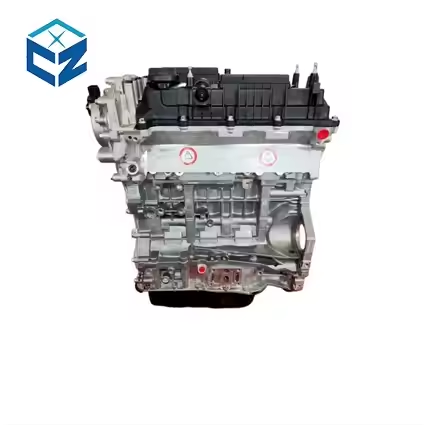
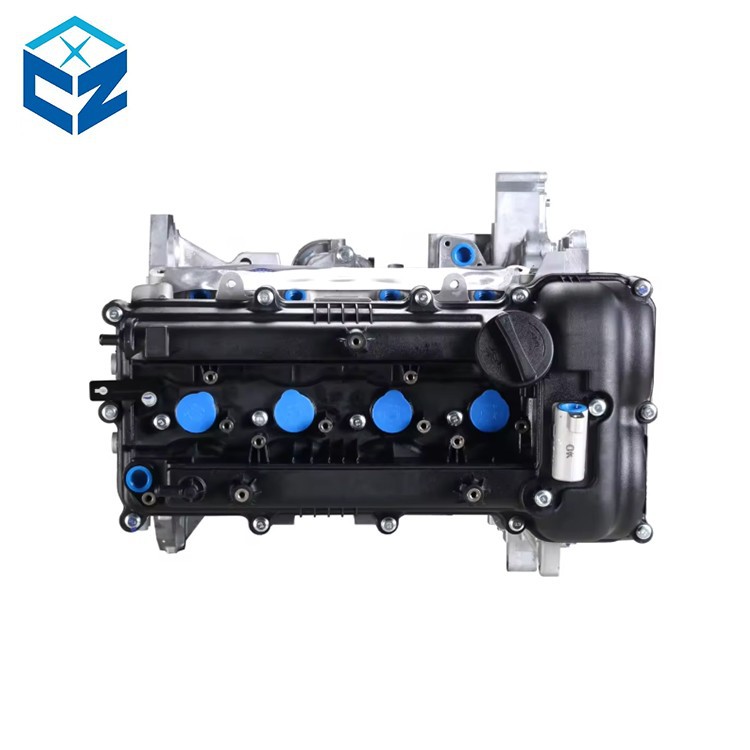
Hyundai also has a range of high - performance engines, especially in models like the 2015 Hyundai Genesis Coupe G4KJ 2.0L Veloster Turbo Engine Assembly For Sale. These engines are designed to deliver more power and performance. They often use more advanced spark plugs that are built to last longer.
In high - performance engines, the spark plug replacement interval can be extended to 60,000 to 100,000 miles. These engines require a strong and consistent spark to operate at their best. The advanced spark plugs used in these engines are made with better materials, like platinum or iridium, which resist wear and tear better than traditional copper - core spark plugs.
3. Eco - Friendly and Durable Engines
Hyundai has been making a lot of strides in eco - friendly engine technology, like the Hyundai Eco - friendly G4FG Durable Powertrain Technology Engine. These engines are designed to be more fuel - efficient and environmentally friendly.
The spark plug replacement interval for these engines can vary. Some of them may follow the 60,000 - mile guideline, while others might even go up to 120,000 miles. The reason for this longer interval is that these engines are engineered to be more precise in their combustion process, and the spark plugs are designed to work in harmony with the engine's advanced technology.
4. GDI (Gasoline Direct Injection) Engines
Hyundai also uses GDI engines in many of its newer models, such as the G4KJ 2.4 GDI Engine For Hyundai Santa Fe Tucson Kia Sorento 2012 2016 Sportage 2014 2015 Ix35 G4. In GDI engines, fuel is injected directly into the combustion chamber. This technology offers better fuel efficiency and more power, but it also places different demands on the spark plugs.
For GDI engines, the spark plug replacement interval is usually around 60,000 miles. The high - pressure fuel injection in these engines can cause more carbon buildup on the spark plugs, which can affect their performance. So, while they can last a bit longer than traditional spark plugs, it's still important to keep an eye on them.
Driving Conditions Matter
It's not just the engine type that affects the spark plug replacement interval. Driving conditions also play a huge role.
City Driving
If you do a lot of city driving, your spark plugs may need to be replaced sooner. City driving involves a lot of stop - and - go traffic, which means the engine is constantly starting and stopping. This puts more stress on the spark plugs. The frequent changes in engine load and speed can cause the spark plugs to wear out faster. So, even if your Hyundai's engine is supposed to have a 60,000 - mile spark plug replacement interval, if you're a city driver, you might want to consider replacing them around 45,000 miles.
Highway Driving
On the other hand, if you do mostly highway driving, your spark plugs will likely last longer. Highway driving is more consistent, with the engine running at a steady speed for long periods. This puts less stress on the spark plugs, and they can go closer to the recommended replacement interval.
Signs That Your Spark Plugs Need to Be Replaced
Even if you haven't reached the recommended mileage, there are some signs that your spark plugs might need to be replaced sooner.
- Rough Idling: If your Hyundai is shaking or vibrating when it's idling, it could be a sign of worn - out spark plugs. The engine isn't getting a consistent spark, so it's having trouble running smoothly.
- Poor Acceleration: When you press the accelerator, and the car doesn't respond as quickly as it used to, it could be due to faulty spark plugs. The weak spark is preventing the engine from generating enough power.
- Decreased Fuel Efficiency: If you notice that you're filling up your gas tank more often than usual, it could be because the spark plugs aren't igniting the fuel properly. This leads to incomplete combustion and wasted fuel.
- Misfires: You might feel a jerk or a hesitation when the engine is running. This is usually a sign of a misfire, which can be caused by bad spark plugs.
Why It's Important to Replace Spark Plugs on Time
Replacing spark plugs on time is crucial for several reasons. Firstly, it keeps your engine running smoothly. A well - functioning engine means better performance, whether you're just commuting to work or taking a long road trip.
Secondly, it can save you money in the long run. If you don't replace the spark plugs when they're worn out, you'll end up with decreased fuel efficiency. This means you'll be spending more money on gas. And in some cases, if the spark plugs cause serious engine problems, you could be looking at expensive repairs.
Finally, it's better for the environment. When the engine is running efficiently, it produces fewer emissions. This is in line with Hyundai's commitment to eco - friendly technology.
Where to Get Quality Spark Plugs for Your Hyundai
As a Hyundai engine parts supplier, I can tell you that it's important to get high - quality spark plugs for your Hyundai. Using the right spark plugs for your engine type is essential. You don't want to use a cheap, low - quality spark plug that won't last or won't work properly with your engine.
We offer a wide range of spark plugs that are specifically designed for different Hyundai engine models. Whether you have a high - performance engine or an eco - friendly one, we've got the right spark plugs for you.
Conclusion
So, to sum it up, the replacement interval for spark plugs in Hyundai engines varies depending on the engine type, the model of the vehicle, and the driving conditions. In general, traditional gasoline engines may need spark plug replacement every 30,000 - 45,000 miles, while high - performance, eco - friendly, and GDI engines can go 60,000 to 120,000 miles. Keep an eye out for signs of worn - out spark plugs, and don't hesitate to replace them when needed.
If you're in the market for high - quality Hyundai engine parts, including spark plugs, we're here to help. Whether you're a car enthusiast looking to upgrade your engine or a regular driver just trying to keep your Hyundai running in top condition, we can provide you with the parts you need. Reach out to us for more information and to start your purchase today.
References
- Hyundai Owner's Manuals
- Automotive Industry Reports on Spark Plug Wear and Replacement
- Interviews with Hyundai Engine Engineers