

As a supplier of engines for Hyundai, I've encountered various engine - related issues over the years. Troubleshooting engine problems is a crucial skill, whether you're a professional mechanic or a Hyundai owner trying to understand what's going wrong under the hood. In this blog, I'll share some common engine problems in Hyundai vehicles and how to troubleshoot them.
1. Starting Issues
One of the most common problems Hyundai owners face is difficulty starting the engine. There are several potential causes for this.
Battery Problems
The battery is often the first thing to check when you have starting issues. A dead or weak battery can prevent the engine from cranking. To test the battery, you can use a multimeter. Set the multimeter to measure DC voltage. A fully charged battery should read around 12.6 volts. If the reading is significantly lower, the battery may need to be recharged or replaced.
Another sign of a battery problem is a clicking sound when you turn the key. This could indicate that the battery doesn't have enough power to engage the starter motor. In this case, try jump - starting the vehicle using jumper cables and another vehicle with a good battery. If the vehicle starts after jump - starting, the battery is likely the culprit.
Starter Motor Issues
If the battery is fine but the engine still won't start, the starter motor could be the problem. A faulty starter motor may make a grinding noise or no noise at all when you turn the key. To check the starter motor, you can try tapping it gently with a hammer while someone else tries to start the engine. Sometimes, a stuck starter solenoid can be freed up by a gentle tap.
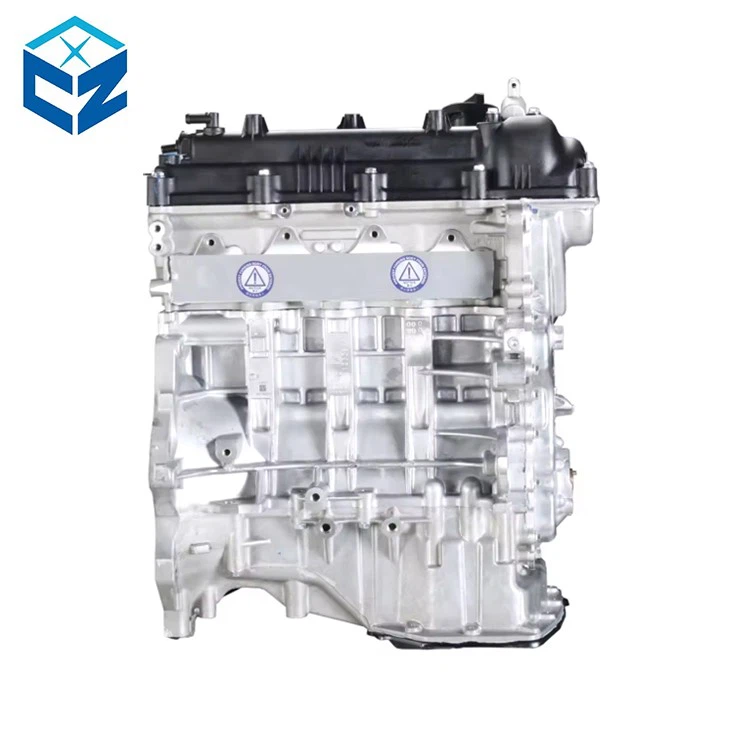
If tapping the starter doesn't work, it may need to be replaced. You can find high - quality replacement starter motors for Hyundai vehicles at our store. For a high - performance engine experience, consider our High Performance Hyundai 4 Cylinder Gas 1.6 G4ed Petrol Engine, which comes with reliable starting components.
Ignition System Problems
The ignition system is responsible for creating the spark that ignites the fuel in the engine. A faulty ignition coil, spark plugs, or ignition control module can cause starting problems.
Spark plugs should be replaced regularly according to the vehicle's maintenance schedule. Worn - out spark plugs can misfire or fail to produce a strong enough spark to ignite the fuel. Check the spark plugs for signs of wear, such as a fouled electrode or excessive gap.
Ignition coils can also fail over time. A bad ignition coil may cause the engine to misfire or not start at all. You can use a spark tester to check if the ignition coil is producing a spark. If the spark tester doesn't show a spark, the ignition coil may need to be replaced.
2. Engine Misfiring
Engine misfiring is another common problem in Hyundai engines. A misfiring engine can cause rough idling, reduced power, and increased fuel consumption.
Fuel System Issues
The fuel system is a common source of engine misfires. A clogged fuel injector can prevent the proper amount of fuel from reaching the combustion chamber, causing a misfire. You can use a fuel injector cleaner to try and clean the injectors. Add the cleaner to the fuel tank and drive the vehicle for a few miles to allow the cleaner to work.
If the problem persists, the fuel injectors may need to be professionally cleaned or replaced. A dirty fuel filter can also restrict the flow of fuel to the engine, leading to misfires. Replace the fuel filter at the recommended intervals to ensure proper fuel flow.
For a more efficient fuel system, our Hyundai High - Performance Parts 1.6L G4FD Engine is equipped with advanced fuel injection technology, which can reduce the likelihood of misfires.
Air Intake Problems
A blocked air intake can cause an imbalance in the air - fuel mixture, leading to misfires. Check the air filter to see if it's dirty or clogged. A dirty air filter restricts the flow of air into the engine, causing the engine to run rich (too much fuel and not enough air). Replace the air filter if it's dirty to restore proper air intake.
There could also be a problem with the mass air flow (MAF) sensor. The MAF sensor measures the amount of air entering the engine and sends a signal to the engine control unit (ECU). A faulty MAF sensor can send incorrect signals to the ECU, resulting in a misfire. You can clean the MAF sensor using a special MAF sensor cleaner. If cleaning doesn't work, the sensor may need to be replaced.
3. Overheating
Overheating is a serious problem that can cause significant damage to the engine if not addressed promptly.
Coolant System Problems
The coolant system is responsible for keeping the engine at the proper operating temperature. A low coolant level is a common cause of overheating. Check the coolant reservoir to see if the coolant level is below the minimum mark. If it is, add the appropriate coolant mixture to the reservoir.
There could also be a leak in the coolant system. Look for signs of coolant leaks, such as puddles under the vehicle or a sweet smell coming from the engine. Common places for coolant leaks include the radiator, hoses, and water pump.
If the radiator is clogged, it can prevent the proper flow of coolant through the engine, leading to overheating. You can try flushing the radiator to remove any debris or sediment. If the radiator is severely damaged, it may need to be replaced.
Our Hyundai Eco - friendly G4FG Durable Powertrain Technology Engine is designed with an efficient cooling system to help prevent overheating issues.
Thermostat Issues
The thermostat regulates the flow of coolant through the engine. A stuck - closed thermostat can prevent the coolant from flowing through the radiator, causing the engine to overheat. You can test the thermostat by starting the engine and monitoring the temperature gauge. If the temperature gauge rises quickly and the radiator doesn't get hot, the thermostat may be stuck closed. Replace the thermostat if it's faulty.
4. Excessive Exhaust Smoke
Excessive exhaust smoke can indicate various problems with the engine.
Blue Smoke
Blue smoke from the exhaust usually indicates that oil is burning in the combustion chamber. This could be due to worn piston rings, valve seals, or a faulty PCV (positive crankcase ventilation) valve.
Worn piston rings allow oil to leak into the combustion chamber, where it burns along with the fuel. Valve seals that are worn or damaged can also allow oil to enter the combustion chamber. A faulty PCV valve can cause excessive pressure in the crankcase, forcing oil into the combustion chamber.
Black Smoke
Black smoke from the exhaust typically means that the engine is running rich (too much fuel and not enough air). This could be caused by a faulty fuel injector, a dirty air filter, or a problem with the oxygen sensor.

A faulty fuel injector can deliver too much fuel into the combustion chamber, causing black smoke. A dirty air filter restricts the flow of air, leading to a rich air - fuel mixture. The oxygen sensor measures the amount of oxygen in the exhaust and sends a signal to the ECU to adjust the air - fuel mixture. A faulty oxygen sensor can send incorrect signals, resulting in a rich mixture.
White Smoke
White smoke from the exhaust can be a sign of a head gasket failure. A blown head gasket can allow coolant to enter the combustion chamber, where it turns into steam and exits the exhaust as white smoke. Other symptoms of a blown head gasket include a loss of coolant, overheating, and milky - colored oil.
Contact for Purchase and Consultation
If you're experiencing any of these engine problems or are interested in purchasing a high - quality Hyundai engine or engine parts, we're here to help. We have a wide range of engines and parts designed to meet your needs. Whether you're looking for a high - performance engine or eco - friendly powertrain technology, we can provide you with the best solutions. Contact us to start a purchase negotiation and get expert advice on engine troubleshooting and maintenance.
References
- Hyundai vehicle owner's manuals
- Automotive repair guides for Hyundai engines
- Technical bulletins from Hyundai Motors